California is once again testing how much its most productive residents will tolerate — and this time the warnings of a mass exodus are coming even from the state's own Democratic governor.
On June 17, California's secretary of state confirmed that a union-backed measure had qualified for the November 3 ballot. It would impose a one-time 5% levy on the total assets of any Californian worth more than $1 billion — about 200 people who together hold an estimated $2 trillion, according to CBS News.
Crucially, this is a tax on wealth, not income — a charge on what people already own and have already been taxed on. It would apply retroactively to anyone living in the state as of January 1, 2026, with a resident worth $20 billion owing roughly $1 billion, payable over five years, Fox Business reported. The measure is bankrolled by the labor union SEIU-United Healthcare Workers West, which pitches the cash as a way to backfill health-care funding.
The Wealth Creators Push Back
The backlash from California's job creators has been fierce. Anduril co-founder Palmer Luckey warned the tax would force "founders like me to sell huge chunks of our companies" to cover what he called government "fraud, waste and political favors," per Fox Business. Investor Bill Ackman said the state is "on a path to self-destruction," warning that "the most productive entrepreneurs will leave" — and take their jobs and tax revenue with them. The New York Times has reported that figures including Peter Thiel and Larry Page are weighing whether to leave.
When Even Newsom Says No
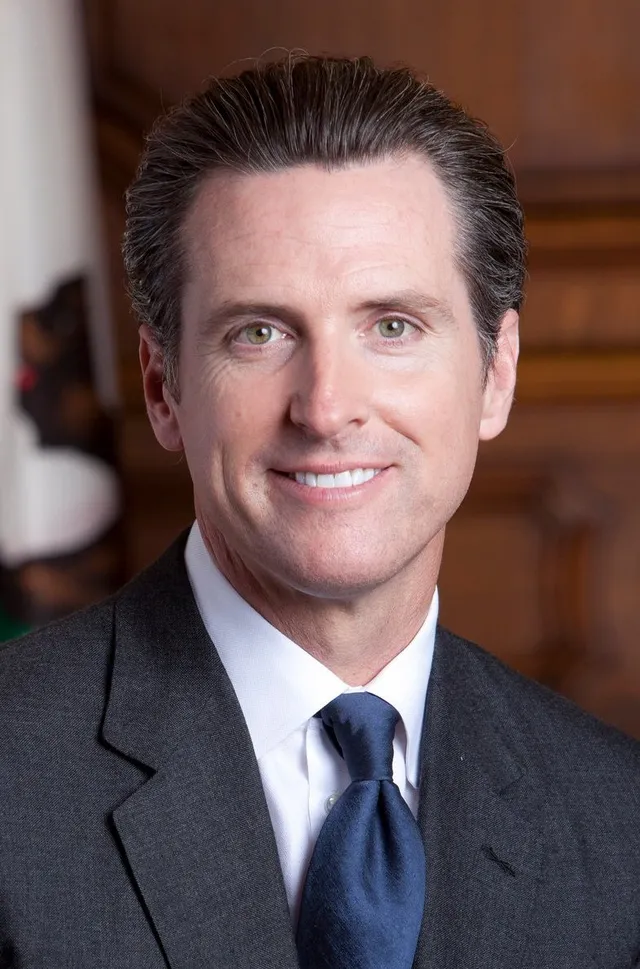
Most striking is that Newsom — no friend of low taxes — opposes the measure too. His office said the governor is "strongly opposed to a California-only wealth tax," warning it would drive taxpayers out and harm working Californians. When SEIU-UHW offered on June 18 to drop the 5% plan in exchange for a smaller 2% levy through the legislature, Newsom rejected it outright, saying a lower rate "doesn't change this measure's fundamental flaws." When the architect of California's high-tax model says a tax goes too far, taxpayers should take note.
The Numbers Behind the Fear
The fear is grounded in hard numbers. California has bled residents for years, and Census-based data show a net loss of roughly 1.46 million people to other states since 2020 — a tide partly masked only by international arrivals, according to The Center Square. Unlike most residents, billionaires can relocate with a moving truck and a new driver's license, taking the income-tax payments California depends on with them. With the top sliver of earners funding a huge share of the state budget, even a handful of departures could blow a hole in Sacramento's finances — the very schools and clinics the tax claims to protect.
The opposition is already well-funded for the November fight. But the deeper lesson is familiar: when a state treats success as a piggy bank to be cracked open, the people who built that success can simply leave. In November, Californians will decide whether to test that proposition once again.