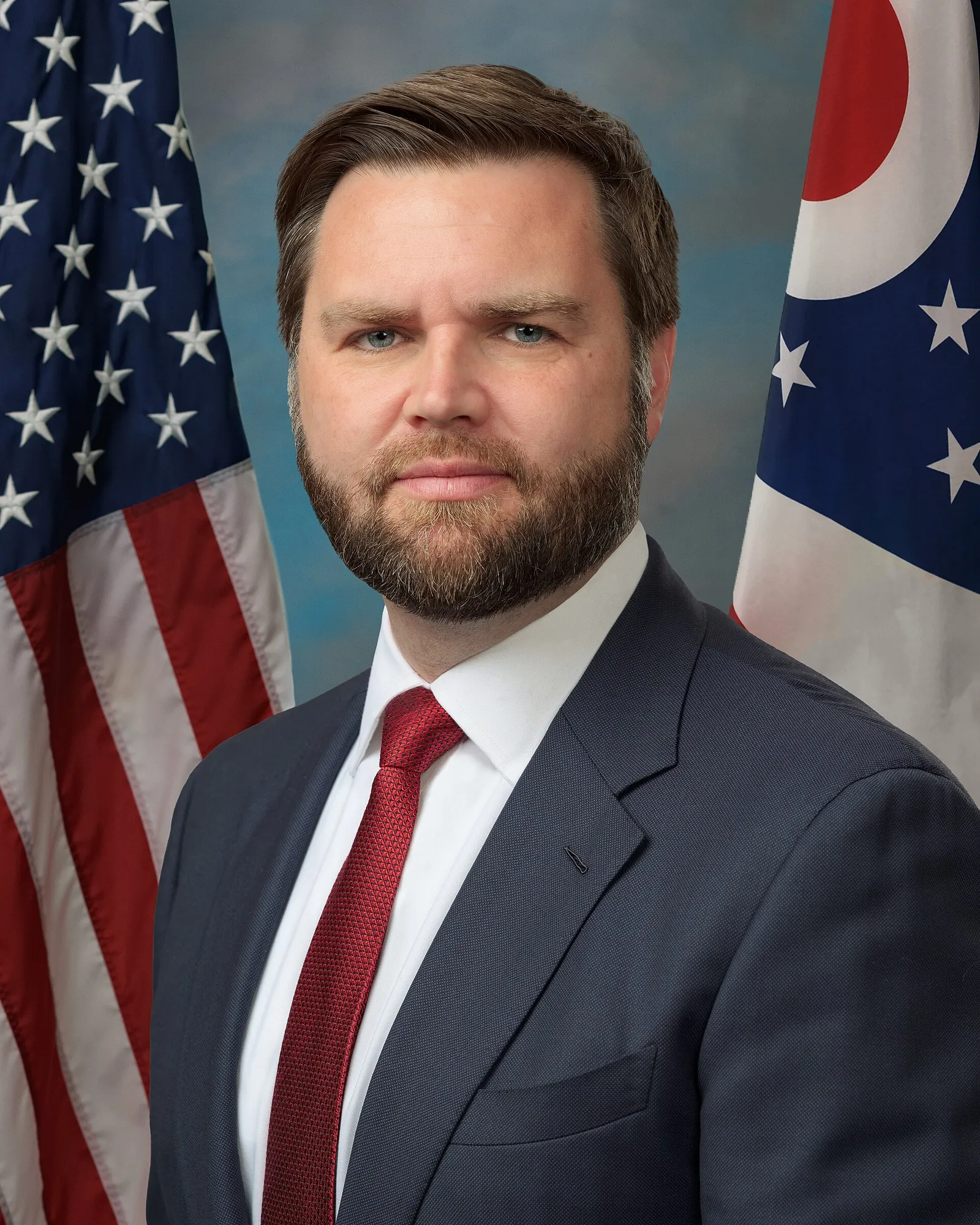
Vice President JD Vance arrived in Switzerland on Sunday to lead a fresh round of negotiations with Iran, telling reporters the United States is prepared to "transform" relations with Tehran on one condition: the Islamic Republic must give up its nuclear ambitions and stop fueling chaos across the Middle East.
"What the president has asked us to do is turn over a new leaf, to transform our relationship with the people of Iran," Vance said, according to The Washington Times. It is a generous offer from a strength-first administration that has made clear the alternative is far less pleasant for Tehran.
Vance was joined by Special Envoy Steve Witkoff and senior adviser Jared Kushner, while Iran's delegation included Foreign Minister Abbas Araghchi. The two sides are working to nail down the details of a memorandum of understanding the two governments signed last week, aimed at ending decades of hostility. Switzerland has long served as the diplomatic go-between for Washington and Tehran, which have had no formal relations since the 1979 seizure of the American Embassy.
Trump Draws a Line on Lebanon
Even as his deputy pursued peace, Trump made sure Iran understood that American patience is not unlimited. The president warned that he would resume strikes on Iran unless it halts attacks by its Hezbollah proxies against Israel. "Iran must immediately stop their highly paid proxies in Lebanon from causing trouble," Trump said, per The Washington Times, vowing to "hit Iran very hard again" if it does not. The memorandum itself demands the "immediate and permanent termination of military operations on all fronts, including Lebanon" — yet the fighting has not stopped.
That unfinished war is the shadow hanging over the Swiss talks. The death toll has exceeded 4,000 since Israel launched its offensive on March 2, and on Saturday Iran announced it was again moving to close the Strait of Hormuz, claiming Israeli strikes had violated the ceasefire. Vance had earlier drawn a firm line, saying any attack "is unacceptable under this agreement."
Graham Predicts Failure — and Force
Sen. Lindsey Graham, R-S.C., offered a blunt forecast that the diplomacy is doomed — and a glimpse of the harder line that could follow. "Let's try a diplomatic solution. I think it's going to fail," Graham said Sunday on CBS's "Face the Nation," according to CBS News. Graham, who said he spent hours with Trump on Friday, predicted the president would respond to a breakdown by seizing one of the world's most vital waterways.
"President Trump is going to take the Strait of Hormuz over by force," Graham said, adding that the U.S. would then "charge a fee for all those who go through." His warning to Tehran was unmistakable: "If Iran contests control of the Strait of Hormuz by the United States, we will obliterate them." Graham said the broader strategy includes expanding the Abraham Accords — a vision that rewards Israel and America's Gulf partners while isolating the mullahs.
Roughly a fifth of the world's oil passes through the narrow Strait of Hormuz, giving Tehran's repeated threats to choke it off serious global stakes — and giving Washington every reason to ensure the regime never controls the chokepoint outright.
For now, Vance and his team are pressing forward, betting that the credible threat of American force will succeed where years of appeasement failed. The message from the administration is consistent at every level: Iran can choose a transformed relationship and a path out of isolation, or it can keep arming terrorists and testing a president who has shown he is willing to act.